The full engineering story
The problem
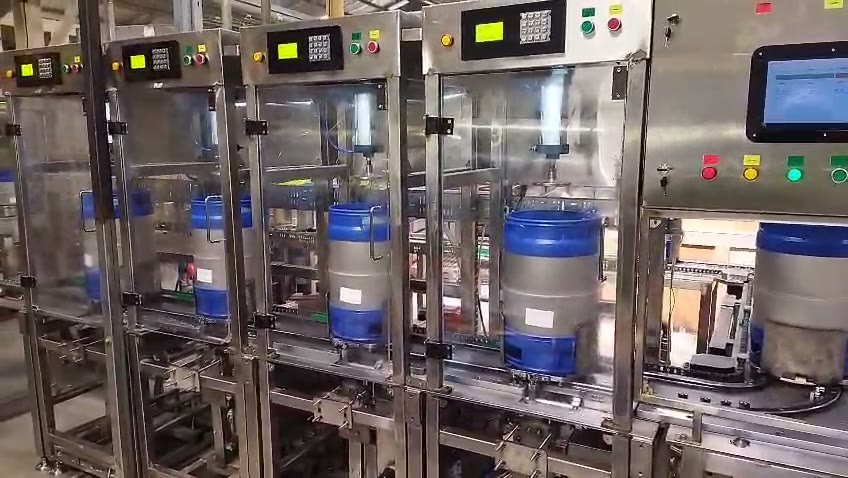
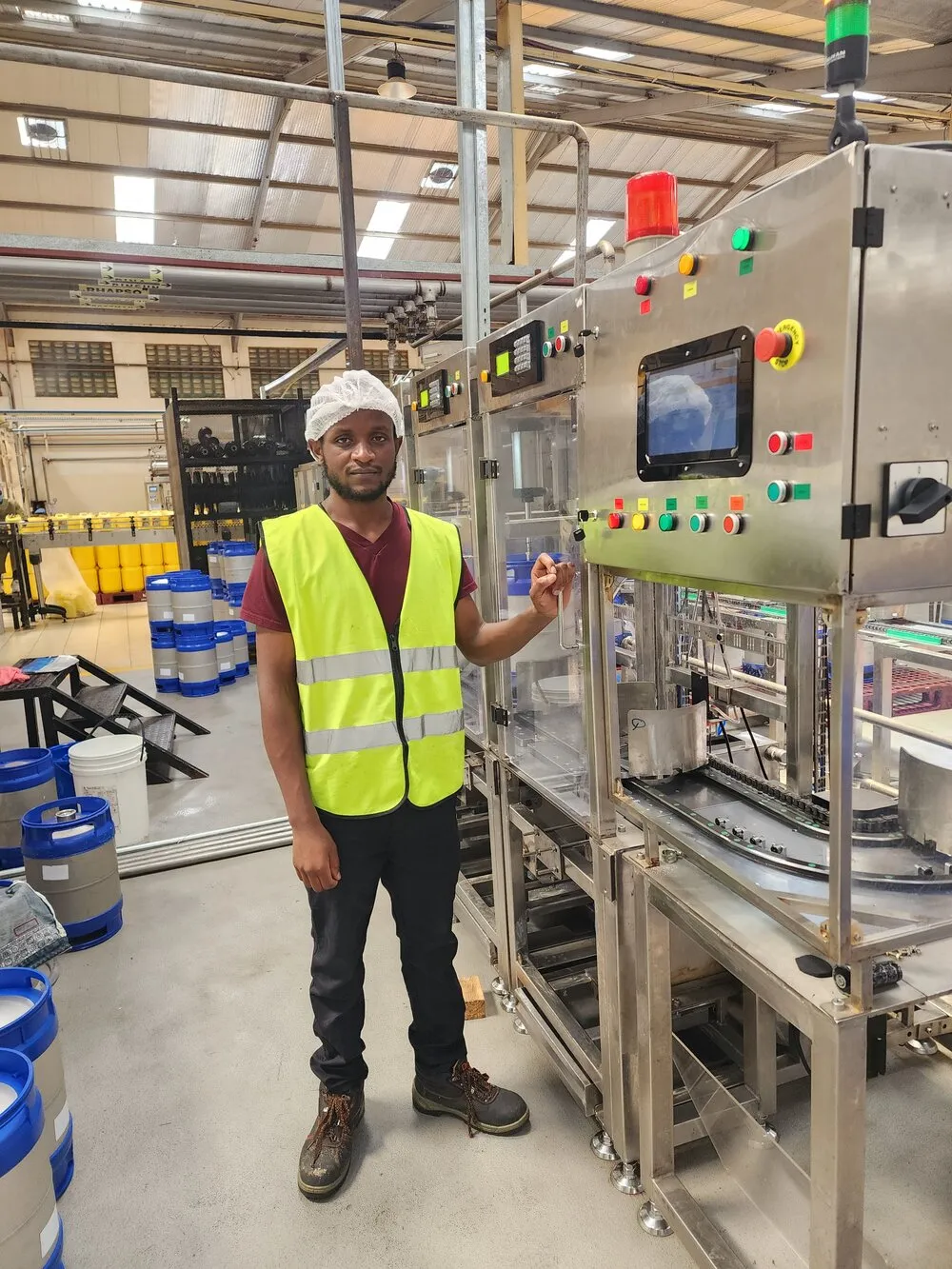
Each of the line’s seven stations had its own firmware. Every change had to be repeated, and re-tested, seven times. Drift between the copies caused bugs, and a single node dropping off the bus could stop the whole line.
What I built
- One codebase for the whole line. Each station’s behaviour is chosen at compile time from its node ID, around a single verified control core. Fixes land everywhere at once.
- A distributed CAN control system with a fragmentation protocol for messages larger than one frame, and automatic fault recovery. The line keeps running when a node drops out.
- A servo-control driver for the line’s Delta drives that holds position to ±0.5 mm.
- A CAN bridge that lets operators run each station automatically or by hand.
Where it went next
The same approach grew into a firmware platform that runs one codebase across more than 100 devices and several product and board variants, instead of a separate build per product. It’s updated in the field through an OTA bootloader, with a PCB integration-test framework that catches mismatches between board and firmware before deployment.
Certification
I also took a liquid-dispenser product through CE certification with SGS China. That meant firmware validation, EMC and reliability testing, and the compliance documentation.