The full engineering story
What clients get
A design the workshop can build without coming back with questions:
- Fabrication-ready geometry. Frames, weldments and sheet-metal parts designed for the materials and tools the fabricator has.
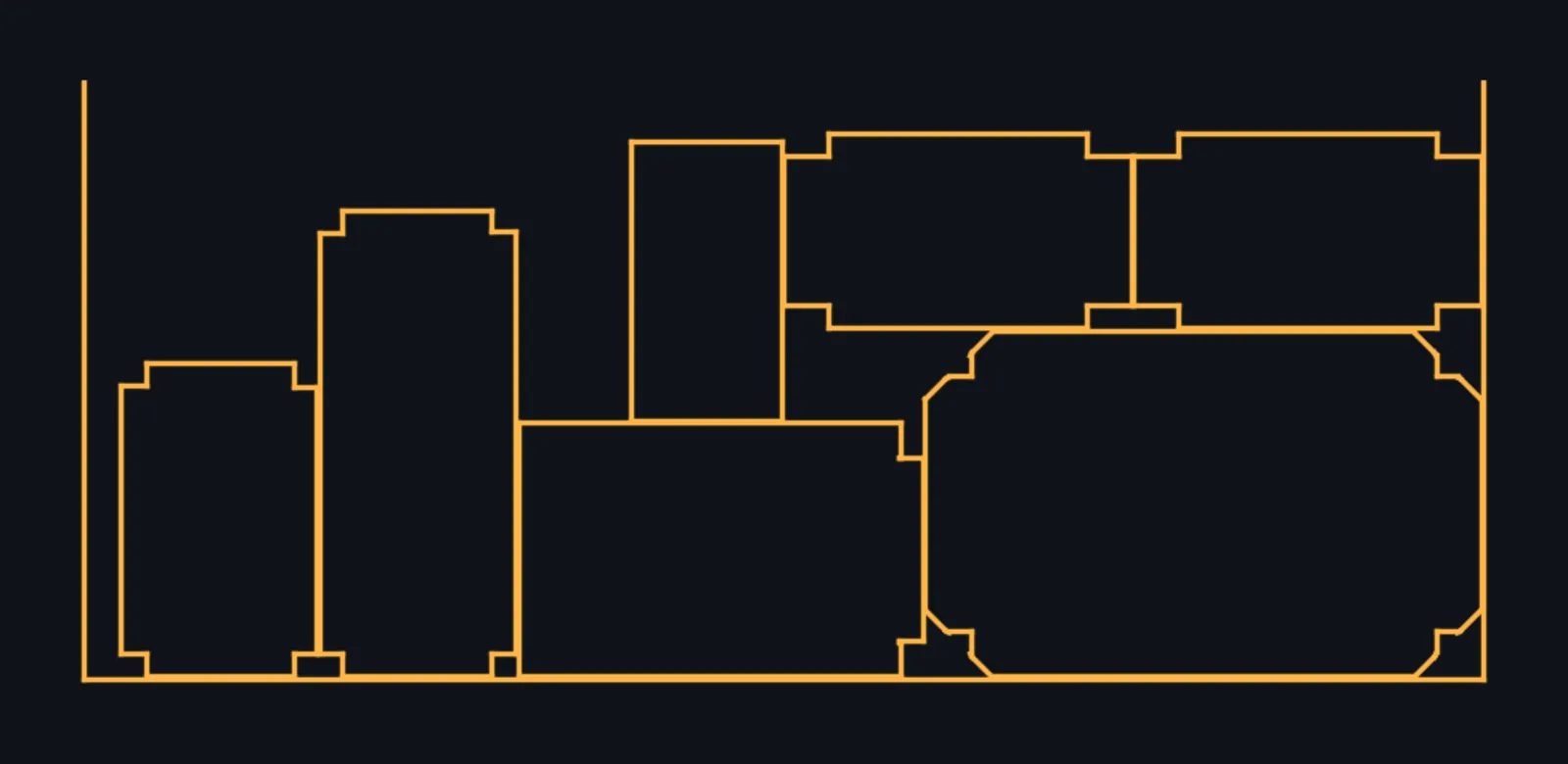
- Flat patterns and nesting. Sheet-metal parts unfold to flat patterns and are nested onto standard sheets. The output is DXF cut files ready for a laser or plasma cutter.
- Fit-checked assemblies. Bought-in parts, like engines, bearings, wheels, PCBs and locks, are modelled in place. Holes, clearances and mounting points are checked before any metal is cut.
- Clean handover. STEP for the machine shop, DXF for cutting, plus renders for the client’s marketing.
Selected machines
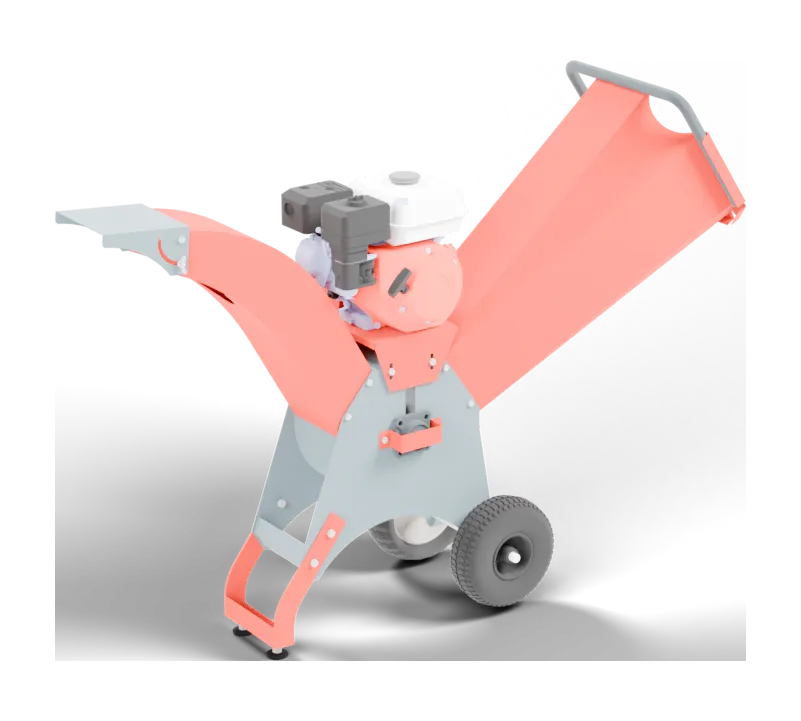
Chaff cutters. Engine-driven forage cutters in several sizes, from a compact stand-mounted unit to a mobile wheeled machine. Each has a feed hopper, a chopper housing, a discharge spout and an engine mount designed around the chosen engine.
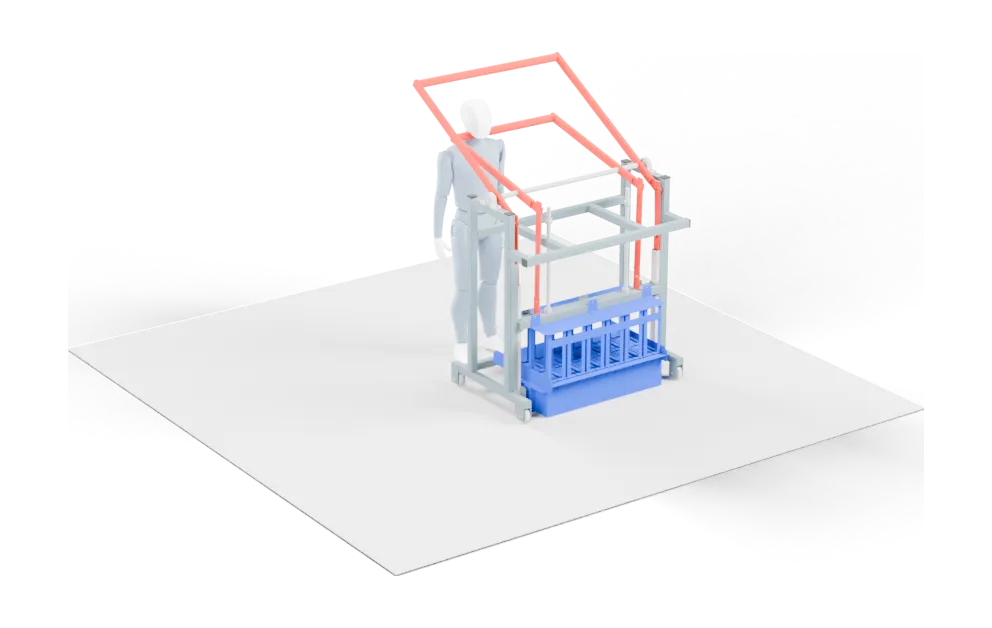
Concrete block machines. A powered block-making machine with a frame, a mould box and a press head, and a manual lever press for sites without power.
Sheet-metal housings. A steel housing whose seven parts unfold and nest onto a single 8×4 ft, 0.8 mm sheet, cut-ready straight from the model.
From electronics to enclosure
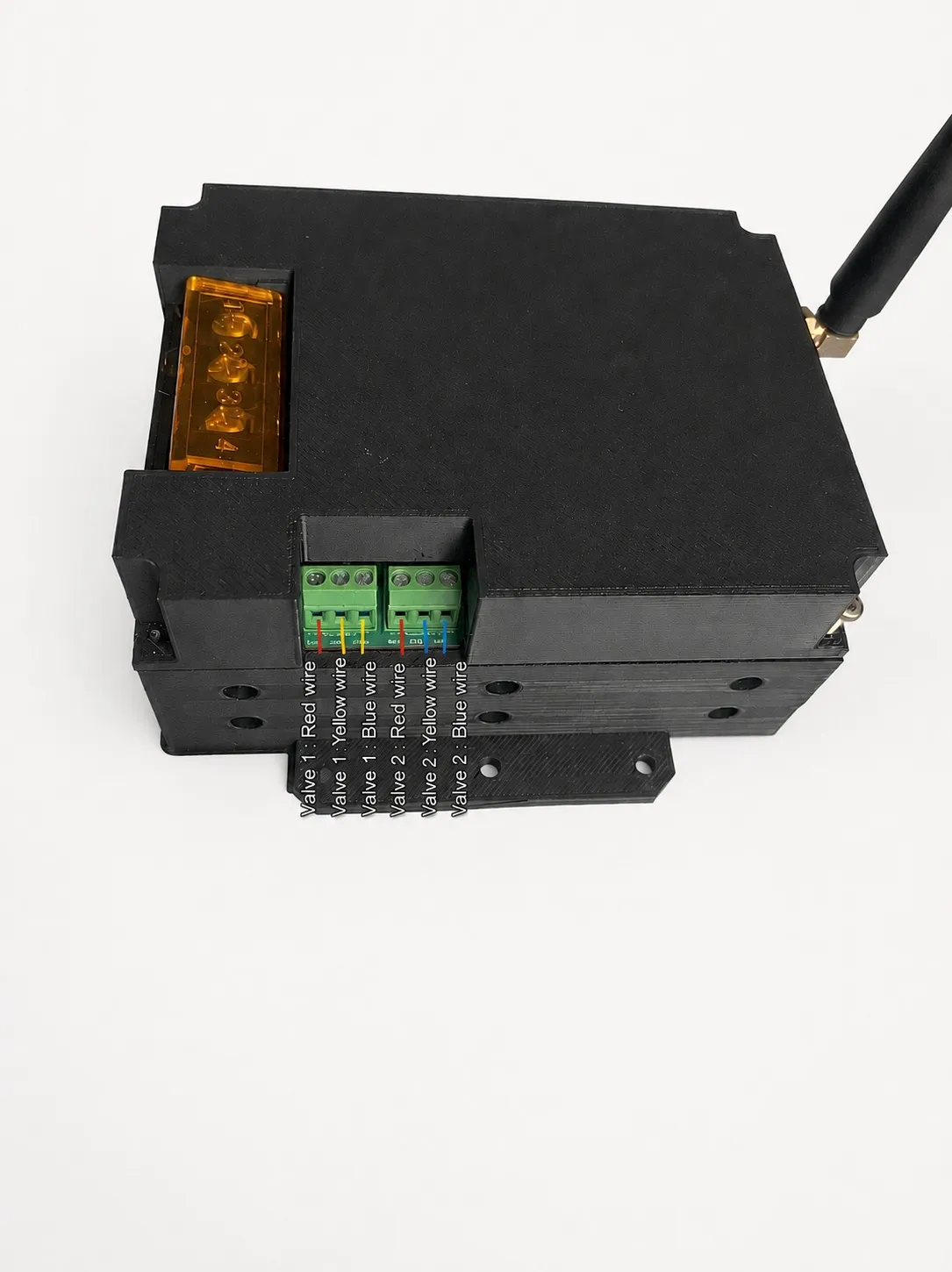
Because I also design the electronics, enclosures fit their boards on the first print. I model the enclosure around the exported PCB so connectors line up, bosses land on mounting holes and installers get labelled terminals. The Aquagate controller enclosure in the gallery went from CAD to a production part this way.
Drag the block machine above to orbit it, or open it in AR on your phone to see it at full size.