Skip to content
‹ All work

Aquagate → SQMeter

Water and power, prepaid. Proven in Rwanda.

An LTE controller for water valves and AC loads, with an owner app and fleet backend, grew into SQMeter, a prepaid electricity and water sub-meter now running as 5 pilot units in Rwanda.

Interactive 3D model of the Aquagate controller PCB
Aquagate controller board, exported from the PCB design.

At a glance

SQMeter units deployed in Rwanda
5 pilots
SQMeter units deployed in Rwanda
modem recovery ladder, from restarting the link to power-cycling the modem
4-level
modem recovery ladder, from restarting the link to power-cycling the modem
protobuf shared by firmware, ingester and app
1 schema
protobuf shared by firmware, ingester and app

Hardware

Built to be installed.

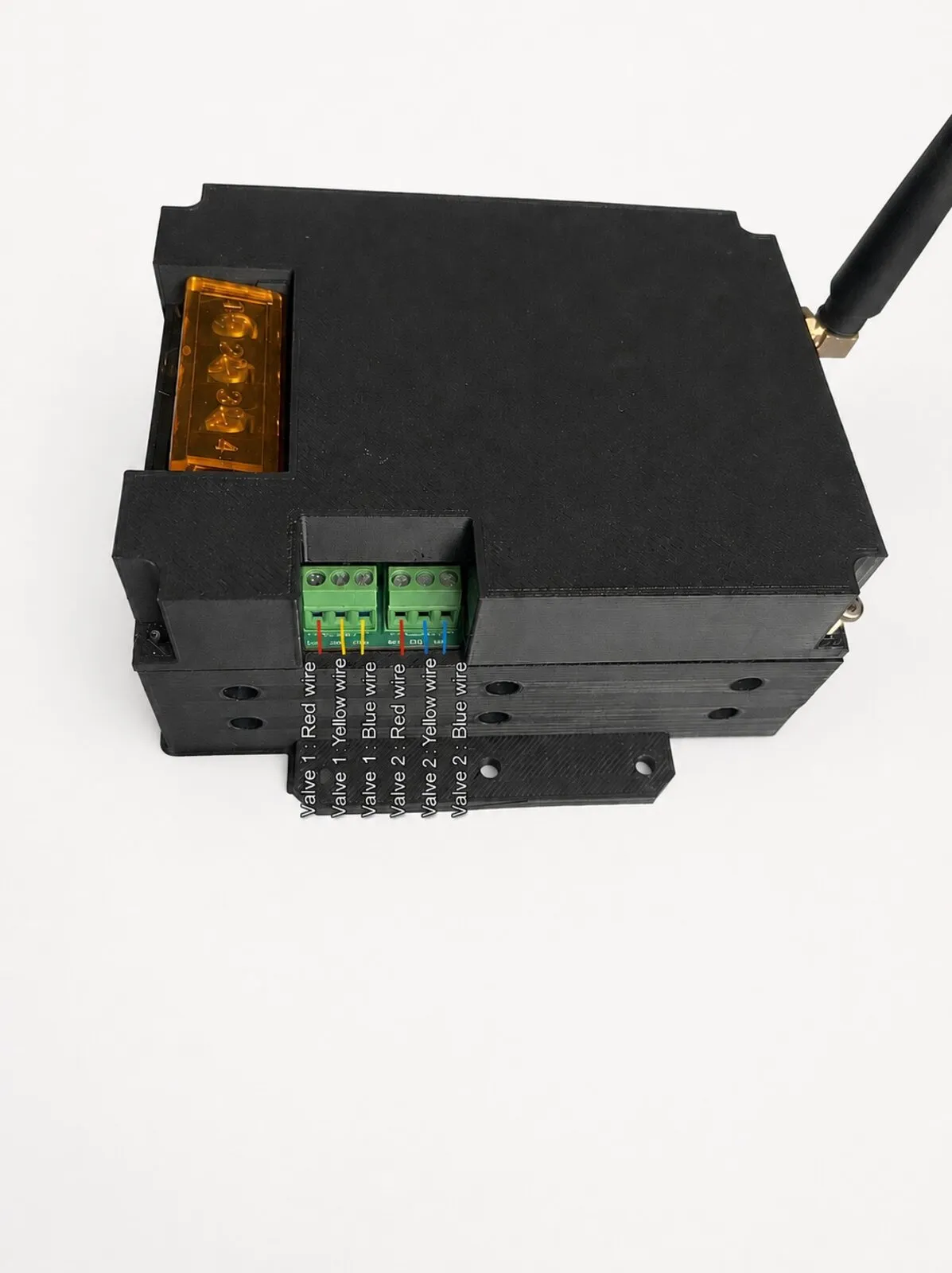
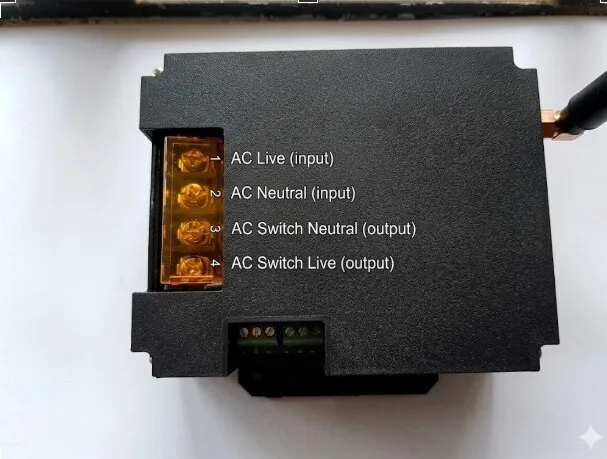
A controller board and an enclosure designed around it, with labelled terminals so an installer can wire it without the manual.

Black enclosure with labelled valve terminals and an LTE antenna

App

Claim it with a scan.

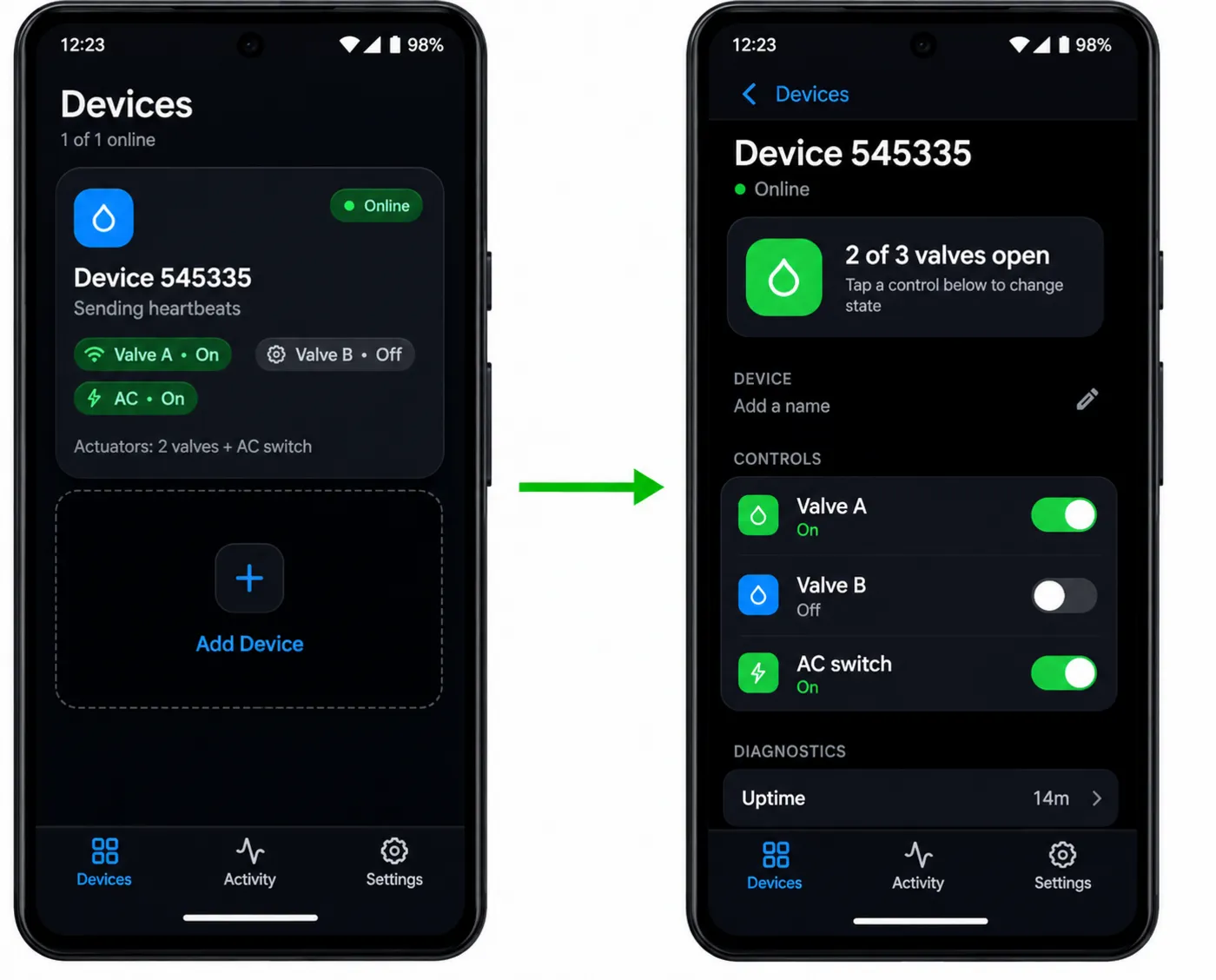
Owners scan the QR code on the device, see it come online and switch valves and the AC load from their phone.

Phone screens showing device status and valve controls

Connectivity

Heals its own connection.

On patchy LTE the firmware climbs a recovery ladder: restart the link, re-attach, reset the modem, power-cycle it. Nobody drives out to reboot a valve.

4-level

automatic modem recovery

SQMeter

Then it learned to meter.

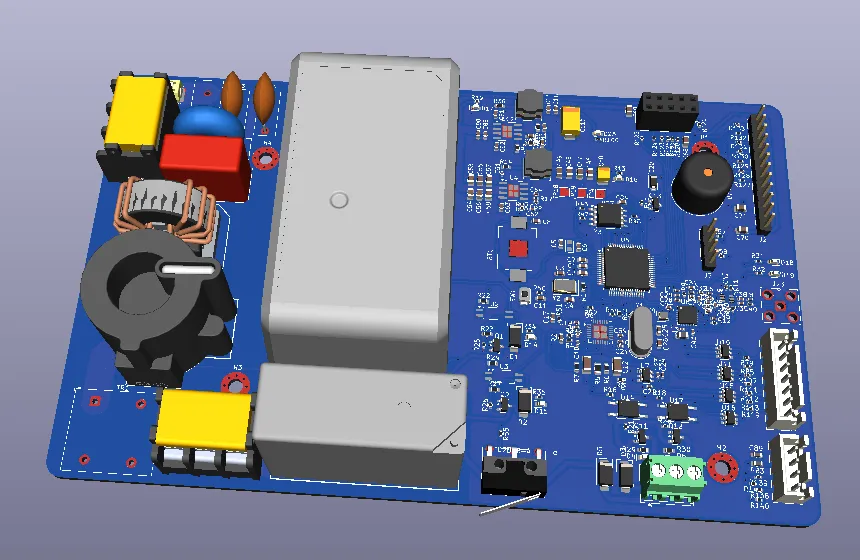
The same platform grew into a prepaid sub-meter for electricity and water, with an isolated metering front end and a latching relay.

SQMeter PCB with isolated mains section and relay

In the field

Running in Rwanda.

Pilot units are measuring real consumption, for real tenants, on real networks.

5

SQMeter pilot units deployed

Take a closer look.

Tech specs

Role
Firmware, PCB, enclosure, backend and app
Context
Squared Computing product line
Year
2025–2026
Disciplines
Firmware, Electronics, Mechanical, Cloud, Software
Stack
  • Zephyr 4.4
  • RP2040
  • SIMCom A7670E LTE Cat-1
  • PPP + MQTT
  • protobuf / nanopb
  • STM32G0
  • ADE7953 energy metering
  • SX1262 LoRa
  • Go
  • PostgreSQL
  • InfluxDB
  • Grafana
  • React 19 + Capacitor
  • KiCad
  • SolidWorks
Origin
Built at Squared Computing
The full engineering story

Where it started: Aquagate

Property owners needed to open, close and schedule their water supply remotely, in places with no Wi-Fi and patchy mobile coverage. The device had to recover on its own, because nobody drives out to reboot a valve.

Firmware (Zephyr on RP2040).

  • Connects over LTE Cat-1 with a SIMCom A7670E modem, using PPP, then MQTT to the broker, with protobuf messages.
  • Drives two valve outputs and an AC switch.
  • Has per-thread watchdogs and a four-level recovery ladder: restart the data link → re-attach to the network → reset the modem → power-cycle it.
  • A soak-test rig runs devices for days at a time, with a target of at least 90% link uptime on real networks.

Hardware. I designed the controller PCB, and then a SolidWorks enclosure around it. The enclosure went through two casing revisions. It’s 3D-printed, with labelled terminals, so an installer can wire it without the manual.

Backend and app.

  • A Go service handles accounts, device ownership and roles (JWT and Casbin).
  • An ingester writes device data to InfluxDB, with Grafana dashboards for the whole fleet.
  • A React and Capacitor app on the Play Store: scan the QR code to claim a device, see live status, send commands.
  • One protobuf schema runs end to end, so the firmware, backend and app can’t drift apart.

How it grew into SQMeter

Aquagate proved the hard parts: cellular links that heal themselves, device claiming, fleet telemetry, and an app people actually use. SQMeter builds on that platform and adds metering and credit. It’s a prepaid sub-meter for electricity and water, for landlords with several tenants on one supply.

  • Metering: an energy-metering IC on an isolated mains front end, with a latching relay to cut supply and a motorized valve for water.
  • Prepaid credit: tenants load tokens by keypad or over LoRa radio. The meter deducts usage and cuts off at zero.
  • Security: the credit tokens and keys are what the meter depends on. The firmware is built around protecting them, and production units lock their flash against read-out.

In the field

Five SQMeter pilot units are deployed in Rwanda. They’re measuring real consumption under real tenants, on real networks.
Next

ParcelPoint

Four steps. Under 30 seconds. Every time.

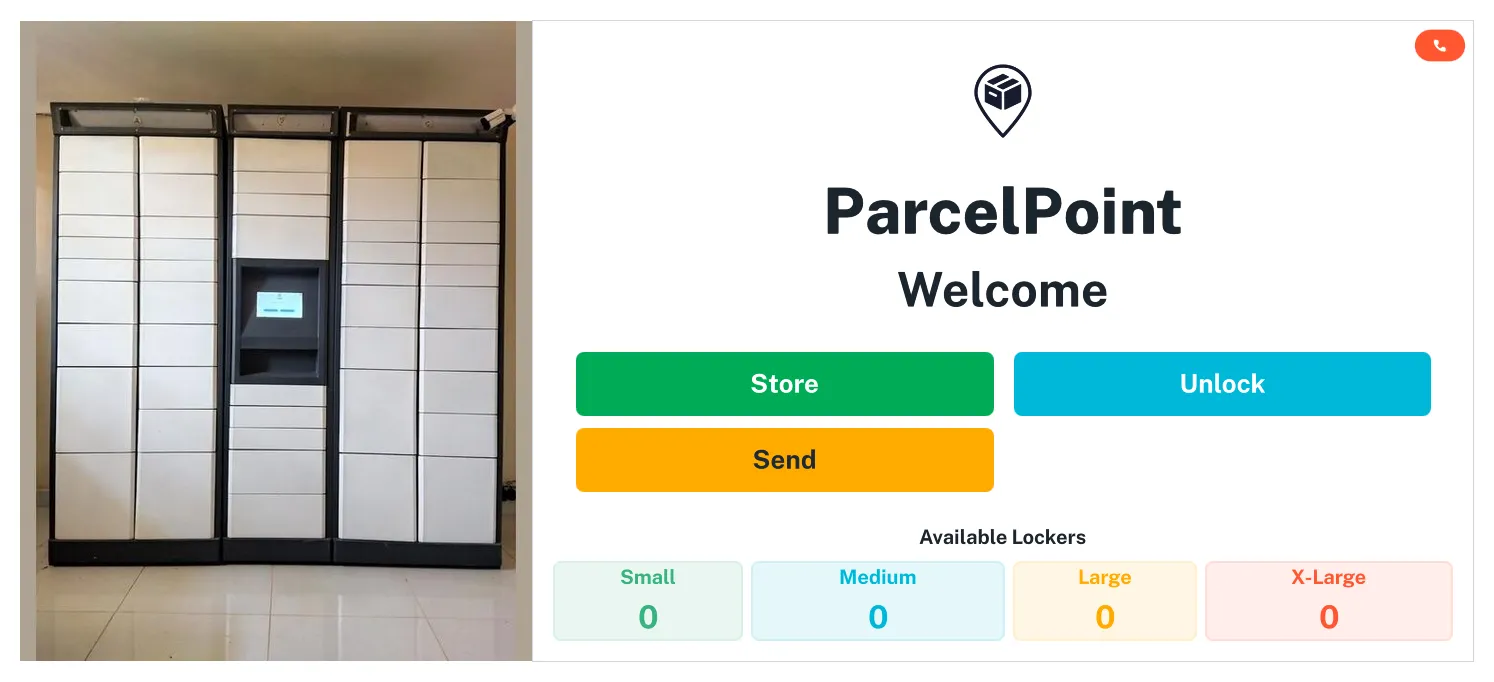
See the projectAn installed ParcelPoint locker bank beside the kiosk home screen with Store, Unlock and Send buttons

Let's talk

Have a product to build?

Tell me what you are making. I reply within one working day, usually with first questions and a rough plan.

Or send a message
Esc